Organic Waste Composter
Last updated
ORGANIC WASTE COMPOSTER
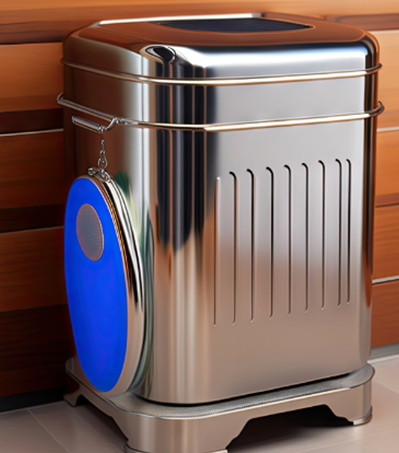
Organic waste composters are a prime example of EI, turning waste into nutrient-rich compost for greener spaces. This reinforces the concept of waste as a resource.
Kitchen and garden waste makes up the largest share of what a household throws away. An on-site organic waste composter treats it inside the community, so it never reaches a landfill and comes back as compost for the landscape.
How Organic Waste Composter works
- Residents segregate wet waste at home, and housekeeping collects it daily from each floor or block.
- The composter shreds the waste and mixes it with a bulking agent, then controls heat, air and moisture so microbes break it down quickly.
- After curing, the output is a dry, odour-free compost that is used in the community's gardens and planters.
What it means for residents
- Less garbage leaving the community, and fewer collection trips by municipal trucks.
- No foul smell or pests from overflowing wet-waste bins.
- Free, nutrient-rich compost for lawns, trees and resident kitchen gardens.
- Lower methane emissions compared with sending food waste to a landfill.
Frequently asked questions
What can go into the organic waste composter?
Vegetable and fruit peels, cooked food leftovers, tea and coffee grounds, egg shells, flowers and garden trimmings. Plastic, glass, metal, sanitary waste and large bones should be kept out.
Does an on-site composter smell?
A well-run composter does not. The machine controls air flow and temperature, and the finished compost is dry and earthy. Smell usually means non-organic waste has been mixed in.
Who runs the composter after handover?
It is operated by the facility management team as part of daily housekeeping. Residents only need to segregate wet and dry waste at home.
More EI Lab features
Water Recycling · Wells · Rainwater Harvesting · Fixtures · Drip Irrigation for Landscaping · Performance Materials · EV Charging · Solar Tube · Bio-Methanation Plant · Miyawaki Forest · Renewable Energy · PET Crushers · IGBC Certification · Condensate Water Recovery from ACs · VOC Paints · Green Pro Certified Materials · Rapidly Renewable Woods · Natural Gas Fueled Power Generators · Green Paver Blocks · GRIHA Certification