Wells
Last updated
WELLS
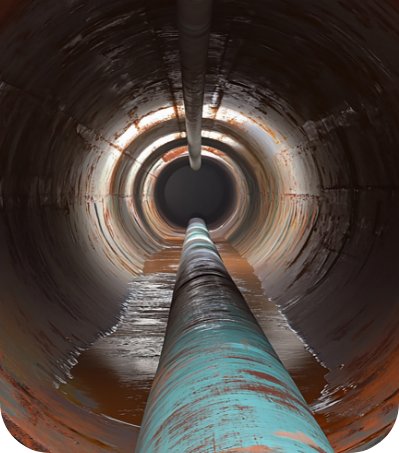
Bhungroo Wells are rainwater systems designed to store water underground, replenish aquifers, and provide surplus water throughout the year. This innovative approach ensures water availability even during dry seasons.
Bhungroo and recharge wells send surplus rainwater straight down into the ground instead of letting it flood roads or run into storm drains. Over the years they help refill the aquifer that borewells and the neighbourhood depend on.
How Wells works
- Runoff from roofs and open areas is guided to recharge points at the low spots of the site.
- A silt trap and filter bed of sand, gravel and pebbles catch debris before the water enters the well.
- The well, or a Bhungroo pipe system, carries the filtered water into deeper permeable soil layers where it recharges groundwater.
What it means for residents
- Higher, steadier groundwater levels for the community's borewells.
- Less waterlogging inside the campus during heavy rain.
- Lower load on city storm drains in monsoon season.
- A low-maintenance system that works passively every time it rains.
Frequently asked questions
What is a Bhungroo?
Bhungroo is a water management technique developed in India that pushes excess surface water underground through a pipe-and-filter system, so it can be stored in the soil and drawn back later.
How is a recharge well different from rainwater harvesting tanks?
Storage tanks hold rainwater for direct use. Recharge wells send it into the ground to replenish the aquifer. Many communities use both: store what can be used, recharge the rest.
Do recharge wells need maintenance?
Only simple upkeep: cleaning the silt trap and filter media before the monsoon so water can soak in freely.
More EI Lab features
Organic Waste Composter · Water Recycling · Rainwater Harvesting · Fixtures · Drip Irrigation for Landscaping · Performance Materials · EV Charging · Solar Tube · Bio-Methanation Plant · Miyawaki Forest · Renewable Energy · PET Crushers · IGBC Certification · Condensate Water Recovery from ACs · VOC Paints · Green Pro Certified Materials · Rapidly Renewable Woods · Natural Gas Fueled Power Generators · Green Paver Blocks · GRIHA Certification