Miyawaki Forest
Last updated
MIYAWAKI FOREST
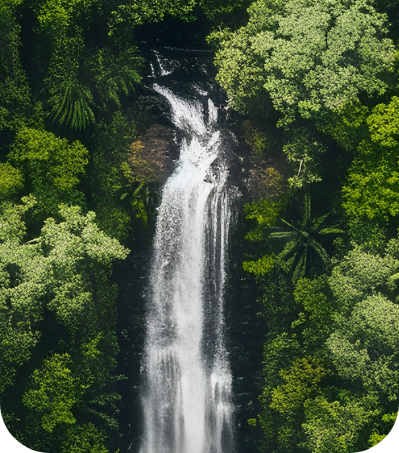
Dense urban forests based on the Miyawaki method create natural cooling zones, improve biodiversity, and sequester carbon. These mini-forests grow 10x faster than conventional plantations and are 30x denser.
The Miyawaki method creates dense, native mini-forests in small urban spaces. These forests grow far faster than conventional plantations and quickly become self-sustaining habitats inside the community.
How Miyawaki Forest works
- The soil is prepared deeply with organic matter so roots can grow quickly.
- A mix of native species, from shrubs to tall canopy trees, is planted closely together, several saplings per square metre.
- The forest is watered and weeded for the first two to three years, after which it largely sustains itself.
What it means for residents
- Shade and noticeably cooler surroundings.
- Better air quality and dust filtering.
- Habitat for birds, butterflies and pollinators.
- A natural green buffer that softens noise.
Frequently asked questions
Why do Miyawaki forests grow so fast?
Dense planting makes saplings compete for sunlight, so they grow upward quickly, while the enriched soil supports strong root growth.
How much space does a Miyawaki forest need?
Very little. Patches of a few hundred square feet can become a dense forest, which is why the method suits urban communities.
Why use native species?
Native trees are adapted to the local climate and soil, need less water and care once established, and support local wildlife.
More EI Lab features
Organic Waste Composter · Water Recycling · Wells · Rainwater Harvesting · Fixtures · Drip Irrigation for Landscaping · Performance Materials · EV Charging · Solar Tube · Bio-Methanation Plant · Renewable Energy · PET Crushers · IGBC Certification · Condensate Water Recovery from ACs · VOC Paints · Green Pro Certified Materials · Rapidly Renewable Woods · Natural Gas Fueled Power Generators · Green Paver Blocks · GRIHA Certification